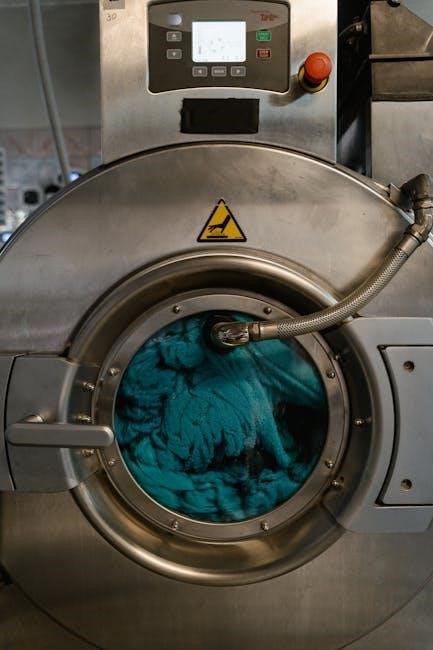
Whirlpool Washing Machine User Manual: A Comprehensive Guide
Welcome! This comprehensive guide details operation‚ safety‚ and troubleshooting for your Whirlpool washing machine‚ ensuring optimal performance and longevity.
It provides essential instructions for diagnosing repairs‚ understanding service mode‚ and maintaining your appliance effectively.
Thank you for choosing a Whirlpool washing machine! This manual contains vital safety information; read it thoroughly before operation to prevent hazards. Always ensure proper installation and electrical grounding.
Never operate the machine if damaged. Keep children and pets away during operation. Disconnect power before cleaning or servicing. Avoid contact with water during maintenance. This appliance is intended for household use only. Do not use flammable materials near the machine. Retain this manual for future reference‚ especially if transferring ownership.
Unpacking and Installation
Carefully unpack your Whirlpool washing machine‚ inspecting for any shipping damage. Remove all packing materials‚ including those within the drum and around the adjustable legs. Position the machine on a level‚ stable surface‚ ensuring adequate ventilation.
Connect the water supply hoses‚ checking for leaks. Properly ground the appliance via the power cord. Adjust the legs to ensure stability and prevent vibration. Refer to the separate installation guide for detailed instructions and diagrams. Retain the packaging for potential future transport.
Understanding Your Washing Machine’s Control Panel
Familiarize yourself with the control panel to effectively operate your Whirlpool washing machine. It features buttons and indicators for cycle selection‚ temperature control‚ spin speed‚ and optional features like pre-soak or extra rinse.
The display utilizes symbols to communicate machine status‚ error codes‚ and remaining cycle time. Understanding these symbols is crucial for proper operation and troubleshooting. Consult the detailed explanations within this manual for each control and indicator’s specific function.
Control Panel Buttons and Indicators
The control panel boasts buttons for power‚ cycle selection (Normal‚ Delicates‚ Heavy Duty‚ Quick Wash‚ Rinse & Spin)‚ temperature adjustment‚ and spin speed control. Indicators illuminate to show selected settings and cycle progress.
Additional buttons activate special features like pre-soak and extra rinse. Pay close attention to indicator lights signaling errors or completed cycles. Refer to the ‘Display Symbols and Meanings’ section for a complete understanding of each indicator’s function.

Display Symbols and Meanings
The washing machine’s display utilizes symbols to communicate status and potential issues. A padlock indicates a locked door‚ while a water droplet signifies the water level. Error codes‚ displayed as alphanumeric combinations‚ pinpoint specific malfunctions requiring attention.
A flashing light often signals a paused cycle or an error condition. Consult the ‘Troubleshooting Common Issues’ section to decipher error codes and resolve problems efficiently. Understanding these symbols ensures proper operation and maintenance.
Loading the Washing Machine
Proper loading is crucial for effective cleaning and preventing damage. Avoid overloading; clothes need space to move freely. Distribute items evenly around the wash/spin tub to maintain balance during the spin cycle.
Uneven loads can cause excessive vibration and noise. Always check pockets for objects and loosely place items into the drum. Following these guidelines maximizes cleaning performance and extends the life of your Whirlpool washing machine.
Proper Load Size and Distribution

Optimal load size depends on the cycle and fabric type. Avoid exceeding the maximum load capacity indicated in the manual. For best results‚ leave sufficient space – approximately a hand’s width – between the top of the load and the washing machine drum.
Distribute items evenly to prevent imbalance. Mixing large and small items helps achieve balanced distribution‚ reducing vibration and ensuring thorough cleaning. Overloading strains the machine and reduces efficiency.
Sorting Laundry for Optimal Results
Effective sorting is crucial for preserving garment quality and preventing color transfer. Separate laundry by color – whites‚ lights‚ and darks. Also‚ divide items by fabric type: delicates‚ permanent press‚ and heavy-duty fabrics.
Check pockets for objects like coins or keys. Emptying pockets prevents damage to the machine and your clothes. Heavily soiled items may require pre-treatment or a separate wash cycle for optimal cleaning.
Detergent and Additives
Selecting the right detergent is vital for cleaning performance. Use High Efficiency (HE) detergent specifically formulated for washing machines. Powder‚ liquid‚ or pod detergents are acceptable‚ but follow dosage instructions carefully.
Avoid using too much detergent‚ as it can leave residue. Fabric softeners and bleach can be added to the appropriate dispensers‚ but never mix them directly. Always refer to garment care labels for specific washing instructions.
Types of Detergent to Use
Whirlpool recommends using High Efficiency (HE) detergents for optimal results and to maintain your machine’s performance. These low-sudsing formulas prevent excessive foam buildup. Liquid‚ powder‚ and single-dose pods are all compatible.
Traditional detergents create too many suds and can reduce cleaning effectiveness. Consider detergents designed for sensitive skin or specific fabric types. Always check the detergent packaging for compatibility and dosage guidelines.
Detergent Dispenser Guide
Locate the detergent dispenser‚ typically a pull-out drawer on the control panel. It usually features compartments marked for pre-wash detergent‚ main wash detergent‚ and fabric softener.
Pour the appropriate amount of detergent into the designated compartments‚ avoiding overfilling. For pod detergents‚ place them directly into the wash tub. Regularly clean the dispenser to prevent clogs and residue buildup‚ ensuring optimal detergent distribution during each wash cycle.
Wash Cycles Explained
Your Whirlpool washer offers diverse cycles for varied laundry needs; Normal/Regular handles everyday items. Delicates/Hand Wash gently cleans fragile fabrics. Heavy Duty tackles bulky loads like towels and bedding.
Quick Wash provides a fast cycle for lightly soiled clothes. Rinse & Spin removes detergent residue and excess water. Select the appropriate cycle based on fabric type‚ soil level‚ and desired wash intensity for optimal cleaning results.
Normal/Regular Wash Cycle
The Normal/Regular cycle is ideal for everyday laundry‚ effectively cleaning cotton‚ linen‚ and mixed fabrics with moderate soil levels. This cycle utilizes a combination of washing and rinsing actions to deliver thorough cleaning.
It’s suitable for items like t-shirts‚ jeans‚ and everyday clothing. Adjust water temperature and spin speed based on fabric care labels for best results. This cycle provides a balanced approach to cleaning and fabric care.
Delicates/Hand Wash Cycle
The Delicates/Hand Wash cycle is specifically designed for fragile items requiring gentle care‚ such as lingerie‚ silk‚ and sheer fabrics. This cycle uses a slower wash action and a lower spin speed to minimize stretching and damage.
Always use a mesh laundry bag for extra protection. Select a cold water temperature and a mild detergent to preserve fabric integrity. This cycle ensures your delicate garments receive the gentle cleaning they deserve.
Heavy Duty/Bulky Items Cycle

The Heavy Duty/Bulky Items cycle is ideal for washing heavily soiled loads‚ such as work clothes‚ towels‚ or bedding. This cycle utilizes a more powerful wash action and a longer wash time to effectively remove stubborn dirt and stains.
For bulky items like comforters‚ reduce the load size to ensure proper cleaning and rinsing. Use a heavy-duty detergent and select a warmer water temperature for optimal results. This cycle provides a thorough clean for your toughest laundry challenges.
Quick Wash Cycle
The Quick Wash cycle is designed for lightly soiled loads that require a fast refresh. This cycle significantly reduces wash time‚ making it perfect for smaller loads or when you’re short on time.

While efficient‚ it may not deliver the same deep clean as longer cycles. Use a moderate amount of detergent and avoid overloading the machine. This cycle is ideal for everyday items needing a quick clean‚ offering convenience without compromising cleanliness.
Rinse & Spin Cycle
The Rinse & Spin cycle is utilized when laundry has already been washed and requires only rinsing and spinning to remove remaining detergent and excess water. This is particularly useful for items hand-washed or pre-treated.
Select this cycle to refresh clothes without a full wash. You can customize the spin speed to suit the fabric type‚ ensuring gentle care or efficient water extraction. It’s a versatile option for targeted laundry needs.
Using Special Features
Whirlpool washing machines offer several special features to enhance your laundry experience. The Pre-Soak option loosens stubborn stains before the main wash cycle‚ improving cleaning effectiveness.
The Extra Rinse option ensures thorough detergent removal‚ ideal for sensitive skin or heavily soiled items. Spin Speed Selection allows you to tailor the spin intensity to different fabrics‚ preventing damage and optimizing moisture extraction. Utilize these features for customized results!
Pre-Soak Option
The Pre-Soak option is designed to tackle heavily soiled laundry‚ effectively loosening stubborn stains before the main wash cycle begins. Activate this feature to allow garments to soak in water and detergent for a pre-determined period.
This extended soaking time significantly improves cleaning performance‚ particularly for items with ground-in dirt or difficult-to-remove marks. It’s perfect for work clothes or children’s wear!
Extra Rinse Option
Utilize the Extra Rinse option when you desire a more thorough removal of detergent residue‚ ideal for individuals with sensitive skin or allergies. This feature adds an additional rinse cycle to the wash process‚ ensuring clothes are exceptionally clean and free from irritating chemicals.
It’s also beneficial when washing baby clothes or heavily soiled items‚ providing peace of mind and enhanced fabric care. Select this option for ultimate cleanliness!
Spin Speed Selection
Adjusting spin speed impacts moisture levels in clothes. Higher speeds extract more water‚ reducing drying time‚ but can cause more wrinkles. Lower speeds are gentler on delicate fabrics‚ minimizing damage and creasing.
Your Whirlpool machine offers various spin speed options; select based on fabric type and desired outcome; For bulky items like towels or jeans‚ a higher speed is suitable‚ while delicates require a lower setting for optimal care.
Maintaining Your Washing Machine
Regular maintenance ensures peak performance and extends the life of your Whirlpool washer. Clean the detergent dispenser frequently to prevent residue buildup‚ which can affect wash results. Periodically clean the washing machine drum using a washing machine cleaner to eliminate odors and grime.

Wipe down the exterior with a damp cloth. Following these simple steps will keep your machine operating efficiently and hygienically for years to come‚ avoiding costly repairs.
Cleaning the Detergent Dispenser

To clean the detergent dispenser‚ first remove it from the washing machine – consult your model’s specific instructions for removal. Rinse the dispenser thoroughly under warm water‚ using a soft brush to remove any lingering detergent or fabric softener residue.
Ensure all compartments are clear of blockages. Dry the dispenser completely before reinserting it into the machine. Regular cleaning prevents buildup and ensures optimal detergent distribution.
Cleaning the Washing Machine Drum
To maintain a fresh and hygienic washing machine‚ regularly clean the drum. Run an empty hot water cycle with a washing machine cleaner‚ or a cup of white vinegar. This helps remove detergent residue‚ mildew‚ and odors.
Wipe down the drum’s interior with a damp cloth after each use. Leave the door slightly ajar to allow for ventilation and prevent moisture buildup‚ minimizing potential mold growth.
Cleaning the Exterior
To preserve the appearance of your Whirlpool washing machine‚ regularly clean the exterior surfaces. Use a mild detergent and a soft‚ damp cloth to wipe down the control panel‚ lid‚ and sides. Avoid abrasive cleaners‚ as they can scratch the finish.
Dry all surfaces thoroughly after cleaning. Pay attention to areas prone to spills or splashes. Regular cleaning prevents buildup and keeps your washing machine looking its best for years to come.
Troubleshooting Common Issues

Encountering problems? This section addresses frequent issues. If the machine won’t start‚ check the power cord and ensure the lid is securely closed. For drainage problems‚ inspect the drain hose for kinks or clogs. Excessive noise may indicate unbalanced loads or foreign objects.
Consult the error code list for specific diagnostics. Remember to disconnect power before any inspection. If issues persist‚ contact Whirlpool support for assistance – do not attempt complex repairs yourself.
Washing Machine Won’t Start
If your Whirlpool washer fails to start‚ first verify the power cord is firmly plugged into a working outlet. Ensure the lid switch is properly engaged – the washer won’t operate with the lid open. Check your home’s circuit breaker or fuse box for tripped breakers or blown fuses.
Confirm the washer is not in a paused or delayed start mode. If problems continue‚ consult the error code section for specific diagnostics‚ or contact Whirlpool support.
Washing Machine Won’t Drain
If your Whirlpool washer isn’t draining‚ initially check the drain hose for kinks or obstructions. Ensure the drain hose isn’t inserted too far into the drainpipe‚ which can cause siphoning. Inspect the pump filter for lint‚ debris‚ or small objects that may be blocking water flow.
Verify the drain pump is functioning correctly; listen for humming during the drain cycle. If issues persist‚ consult error codes or contact Whirlpool support for assistance.
Washing Machine is Noisy
Excessive noise during operation could stem from several sources. First‚ confirm the washing machine is level using adjustable legs; an uneven machine vibrates more. Check for loose items within the drum‚ like coins or buttons. Inspect the shipping bolts – ensure they’ve been removed after installation.
If the noise persists‚ a worn drive belt or failing bearings might be the cause; professional service may be required for these components.
Error Codes and Their Meanings
Your Whirlpool washing machine utilizes error codes to signal malfunctions. F## indicates a motor issue‚ requiring professional attention. LE suggests an imbalance during the spin cycle – redistribute the load and restart. LC signals a lid switch problem; ensure the lid is securely closed.
Sud denotes a suds overload; use less detergent. Consult the full error code list in this manual or on Whirlpool’s support website for detailed troubleshooting steps.
Water Supply Hose Connection
Ensure a secure connection of the water supply hoses to both the washing machine’s inlet valves and your home’s water supply. Hand-tighten initially‚ then use pliers for an additional half-turn. Inspect hoses regularly for cracks or bulges‚ replacing them every five years.
Avoid cross-threading during installation. Turn off the water supply before disconnecting or connecting hoses. Proper connection prevents leaks and ensures optimal water flow for effective washing.
Understanding Washing Machine Components
Familiarize yourself with key components: the lid/washer door for access‚ the wash/spin tub holding laundry‚ and the water inlet valve controlling water flow. The power cord provides electricity‚ while adjustable legs ensure stability.
Recognize the detergent case for additive dispensing. Understanding these parts aids in maintenance and troubleshooting. Refer to diagrams for precise locations and functions‚ ensuring safe and effective operation of your Whirlpool washing machine.
Lid/Washer Door
The lid or washer door provides access to the wash/spin tub. Ensure it securely latches during operation to prevent interruptions and maintain safety. Never force the lid open while the machine is running.
Some models feature a pause function allowing temporary lid access. Always check for remaining water before opening. Proper lid function is crucial for the washing cycle’s effectiveness and user safety. Inspect regularly for damage or obstructions.

Wash/Spin Tub
The wash/spin tub is the central component where clothes are cleaned and spun to remove excess water. It’s constructed from durable materials designed to withstand repeated use and various wash cycles. Ensure items are placed loosely within the tub to allow for proper agitation and rinsing.
Avoid overloading‚ as this can reduce cleaning effectiveness and potentially damage the machine. Regularly inspect the tub for any foreign objects left behind after washing.
Water Inlet Valve
The water inlet valve controls the flow of hot and cold water into the washing machine. It’s electronically operated‚ responding to signals from the control panel to fill the tub to the selected water level and temperature. Regularly check the connections to the valve for leaks or damage.
Ensure the water supply hoses are securely attached. If issues arise with water filling‚ the valve may require inspection or replacement by a qualified technician.
Power Cord
The power cord supplies electrical energy to operate the washing machine. Always ensure it is properly grounded to prevent electrical shock. Inspect the cord regularly for any signs of damage‚ such as cuts‚ fraying‚ or exposed wires. Never use an extension cord with this appliance.
If the cord is damaged‚ it must be replaced by a qualified technician to avoid hazards. Disconnect the power cord from the outlet before performing any maintenance or troubleshooting.
Entering Service Mode (For Technicians)
Service Mode allows qualified technicians to perform advanced diagnostics and testing on the washing machine’s electronic control board. Accessing this mode requires a specific sequence of button presses‚ varying by model; Consult the detailed technical documentation for your specific Whirlpool model.
Incorrect use of Service Mode can alter machine settings or void the warranty. Technicians should exercise caution and thoroughly understand the procedures before initiating any tests.
Adjustable Legs and Leveling
Proper leveling is crucial for quiet operation and preventing excessive vibration during wash and spin cycles. Whirlpool washing machines feature adjustable legs that can be screwed in or out to achieve a perfectly level stance.
Use a level to check the machine’s stability on the floor. Adjust each leg incrementally until the machine is stable and doesn’t rock. Securely tighten the lock nuts against the machine’s base after leveling.
Ozone Overflow Information
During operation‚ a small amount of ozone may overflow from the washing machine. This is normal and not a cause for concern; it’s a byproduct of the washing process. Ozone is a natural disinfectant‚ contributing to cleaning performance.
Ensure adequate ventilation in the laundry room. The overflow is minimal and poses no health risk under typical usage. If excessive overflow occurs‚ contact Whirlpool support for assistance.

Storing the User Manual
Retain this user manual in a safe and accessible location for future reference. It contains vital safety information‚ operating instructions‚ and troubleshooting guidance. Should you sell or transfer ownership of the washing machine‚ always include this manual with the appliance.
Proper storage ensures you or the new owner can easily access essential details. Consider a household binder or digital storage for convenient retrieval when needed.
Warranty Information
Your Whirlpool washing machine is covered by a limited warranty against defects in materials and workmanship. The warranty period begins from the original date of purchase. Please retain your proof of purchase to validate any warranty claims.
This warranty excludes damage resulting from misuse‚ improper installation‚ or unauthorized repairs. Specific warranty details‚ including coverage duration and limitations‚ are outlined in the separate warranty document included with your appliance.
Contacting Whirlpool Support
For assistance with your Whirlpool washing machine‚ or to address any questions regarding its operation or maintenance‚ please reach out to our dedicated support team. You can find comprehensive support resources‚ including FAQs and troubleshooting guides‚ on the official Whirlpool website.
Alternatively‚ you can contact our customer service hotline directly; Our representatives are available to assist you with any concerns you may have‚ ensuring a seamless ownership experience.